
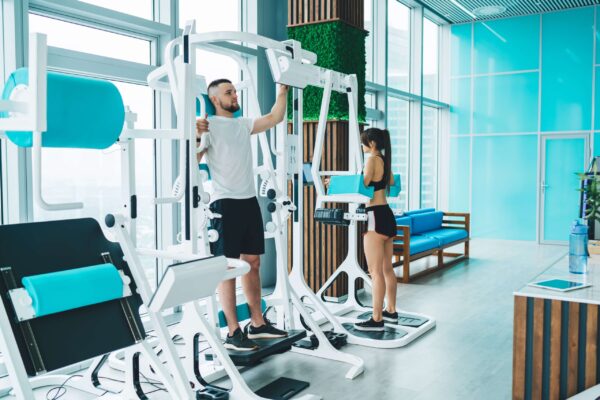
Across many global cities, one small group of fitness clubs operates far outside the normal gym idea. These facilities mix exercise with hospitality, design focus, and many exclusive services, and they charge membership fees that sometimes look like luxury travel costs or private club fees. Most luxurious gyms are defined not only by price but also by space amount, privacy level, and the way physical training is placed inside an elite lifestyle routine.
What Defines a Luxury Gym
Luxury gyms are different from ordinary fitness centers in several key ways. The focus is not only on equipment or training schedules but also on atmosphere, personalized attention, and the full experience for members.
Often these facilities are located in very premium districts or inside luxury residential buildings. Architecture and interior design get the same attention as workout functionality. Many places use marble, natural wood, or custom metalwork for visual effect.
Another main feature is controlled access. Membership is limited; sometimes they cap it at a fixed number to avoid crowding. Waiting lists are common.
Luxury gyms also focus on discretion. High–profile clients want privacy, quiet rooms, and separation from the mass–market gym environment.
Services and Amenities Offered
The amount of services in elite gyms goes far beyond normal fitness classes. Many of these clubs act more like wellness centers, not just training rooms.
Common amenities include:
- Personal training with elite or former professional athletes
- Spa zones with sauna, steam room, and massage suites
- On–site nutrition planning and diet consultations
- Recovery services such as cryotherapy or physiotherapy
Some gyms also add medical supervision, with health checks and biometric tracking. Others include holistic wellness ideas, combining fitness with mindfulness practice.
Global Locations Known for High–End Gyms
Luxury gyms are most common in cities with high–income populations and strong wellness cultures. These places can support pricing models that other regions cannot hold.
Cities that people usually connect with elite gyms include London, New York, Los Angeles, Dubai, Hong Kong, and Paris. In these markets, gyms compete not only with each other but also with private clubs, luxury hotels, and high–end residential amenities.
Some luxury gyms are part of global brands. Others are independent, exclusive clubs for small client groups.
Geography also influences design. Gyms in dense city centers use vertical layouts, while those in resort areas use more open space and natural light.
Membership Costs and Pricing Structure
The strongest characteristic of these gyms is cost. Membership fees change from place to place but always stay at the top of the market.
Pricing models may include
- High initiation fees for joining
- Annual memberships costing several thousand dollars
- Extra payments for premium classes or special services
Some gyms only accept new members with sponsorship from existing members. Others even conduct interviews before approval.
The high price also works like a filter. It limits access, increases exclusivity, and reduces overcrowding.
Equipment and Training Environment
Even with luxury style, equipment quality stays crucial. High–end gyms invest in custom machines or limited–production devices that normal chains do not have.
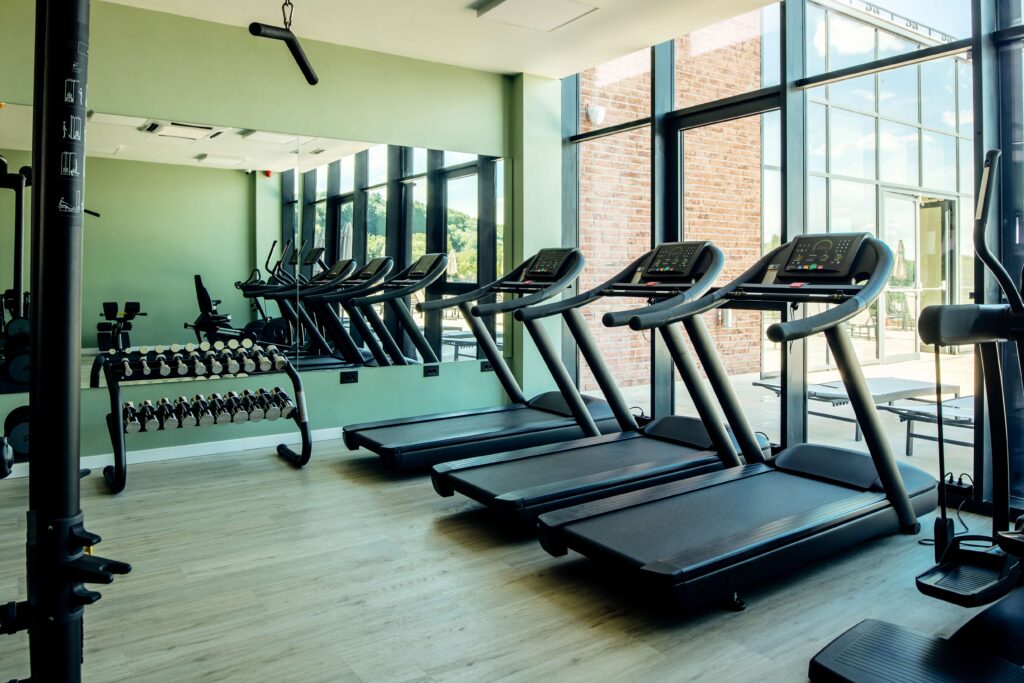
Training areas are usually spacious, with big distances between stations to reduce noise and increase comfort.
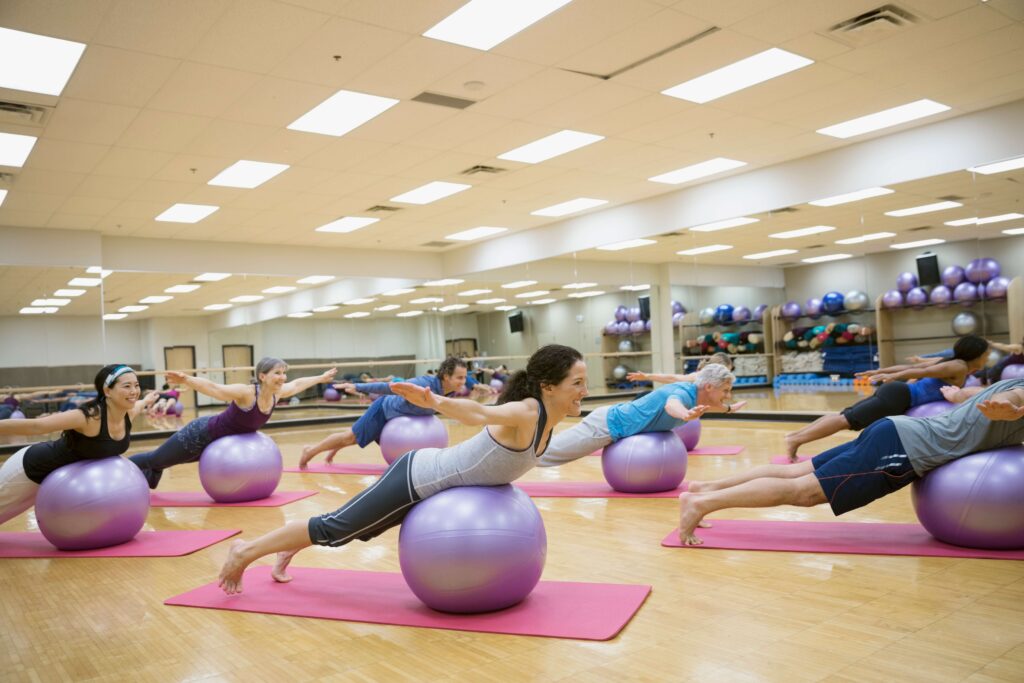
Studios focus on small group sessions instead of large busy classes. They control acoustics, light, and temperature carefully, similar to the hospitality approach.
Outdoor training areas appear often where climate allows, sometimes including rooftop tracks or garden workout places.
Clientele and Usage Patterns
People who go to high–end gyms are often busy professionals, executives, entrepreneurs, and entertainers. They need to be able to use their time well.
A lot of people use the gym for more than just working out. They mix training with meetings, relaxing, or taking care of themselves.
People use them differently than mass gyms. There aren’t any strong peak hours because the number of members is limited and their schedules are flexible.
For some clients, the gym is more of a private retreat than a place to meet people.
Business Logic Behind Luxury Fitness
From a business perspective, luxury gyms run on low volume and high margin. With a limited member count, staff can offer more attention per client.
Operating expenses are high. Strong investments are needed for high–end real estate, high salaries for expert staff, and costly maintenance.
Still, the rates of people staying are high. People who want privacy and exclusivity are less likely to care about price increases.
Brand identity is crucial. Reputation, interior design, and personal recommendations matter more than advertising.
Differences Between Luxury Gyms and Standard Fitness Clubs
The difference between luxury gyms and standard fitness centers is structural, not just an appearance change.
Key differences include:
- Membership limits instead of open access
- Personalized services instead of standard programs
- Strong focus on environment and privacy, not capacity
- Integration with complete wellness and lifestyle services
Standard gyms try to be accessible and large–scale. Luxury gyms try to provide experience and strong differentiation.
Role of Design and Architecture
Design is central in these gyms. Architecture communicates exclusivity and a calm atmosphere.
Layouts avoid clutter. Natural light is used whenever possible. Changing rooms look more like hotel spas than typical locker rooms.
Some gyms include design elements inspired by local culture or history to build a sense of place.
This aesthetic focus helps create a longer–lasting perception of value.
Cultural Perception of Luxury Fitness
Luxury gyms connect with bigger cultural trends. Fitness becomes a symbol of identity, status, and personal optimization.
In some social groups, gym membership becomes a lifestyle marker, not only a necessity.
This does not always lead to better physical results. The difference is in context, comfort, and service.
Luxury fitness appeals to people who see training as part of a curated daily routine.
Comments are closed